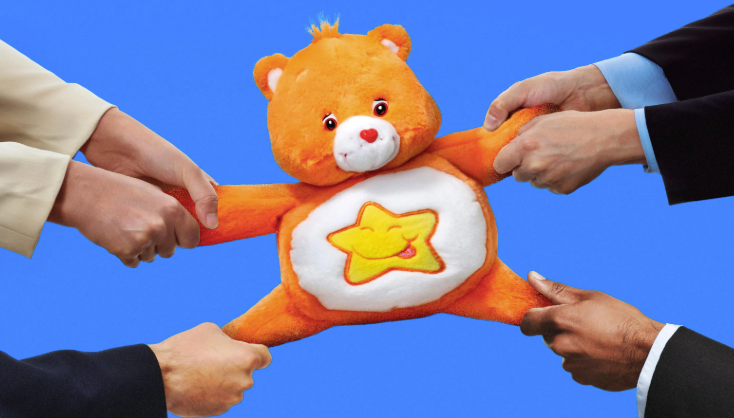
A familiar logo, a well-loved doll, and a string of vintage playsets have a way of tugging at memory in ways modern marketing campaigns rarely do. For Mattel, the strategy is clear: revive cherished catalogues and pair them with serialized content to convert the emotional pull of nostalgia into sustained consumer interest. That approach reframes toys not just as physical goods on a shelf but as living franchises that can be monetized through multiple channels. The company is betting that viewers who grew up with these toys will welcome new stories and that younger audiences can be brought into the fold through engaging streaming shows and films.
Nostalgia as a growth engine
Nostalgia is more than an emotional shortcut; it’s a predictable market force. When adults who collected particular brands in their youth now have disposable income and children of their own, they are primed to repurchase or re-experience those toys. The renewed editions, whether faithful reissues or modern reinterpretations, can command premium prices and generate social media buzz. But simply re-releasing a product line is rarely enough to create long-term value. The smarter play is to attach narrative and world-building to those products so that consumers feel they are returning to an ongoing story rather than buying a static object. This lifecycle extension is at the heart of the company’s current pivot.
Streaming becomes the new toy aisle
The company’s media-first pivot recognizes streaming platforms as the new toy aisles—places where discovery happens and where characters gain personalities beyond packaging. Episodic content allows for deeper character development, and short-form series can introduce themes, relationships, and settings that later convert into product lines. By commissioning a slate of original series and partnering with well-known platforms, the firm can control how its brands are perceived and ensure that new product drops are timed to on-screen events for maximum impact. The result is a coordinated release calendar in which a season finale triggers a wave of product launches, driving retail demand in a highly measurable way.
Product strategy meets storytelling
Translating on-screen narratives into tangible play experiences requires careful coordination between creative and product teams. Designers must anticipate the elements that will translate well into toys: a memorable vehicle, a distinctive accessory, or even a quirky side character whose merchandise can fill niche markets. At the same time, writers are encouraged to create set pieces that can be replicated as playsets without compromising storytelling integrity. This two-way dialogue ensures the toys feel authentic to the show, which in turn encourages fan investment. Limited-edition collectibles can be used to monetize adult fans, while durable, affordably priced products maintain accessibility for children.
Reaching audiences beyond traditional retail
Beyond streaming, community-driven initiatives are part of the company’s toolkit. Fan conventions, pop-up experiences, and interactive social campaigns extend the lifecycle of both media and merchandise. Live events recreate the sensory joy of play and give families tangible reasons to engage. Augmented reality filters and companion apps extend the worlds viewers see on screen into the spaces where kids play, creating hybrid experiences that blur content and commerce. Crucially, these activations are designed not merely as promotional stunts but as extensions of the storytelling: they deepen engagement while collecting data that informs future product and narrative choices.
Balancing risk with heritage
Shifting a centuries-old manufacturing identity to a media-driven model carries inherent risks. Devotees can be wary of reinterpretations that stray too far from the source material, and misfires on screen can damage brand equity quickly. The company has been deliberate in preserving core design cues and collaborating with longtime fans and collectors during development, seeking to honor the original while making it relevant for current tastes. This balancing act—respecting heritage while innovating—has guided casting decisions, visual design, and marketing tone. It’s a recognition that authenticity, not mere nostalgia, sustains long-term loyalty.
See also: What Truly Makes a Lifeguard Certification Stand Out? Your Essential Guide
Financial implications and measurement
The economics of this strategy are attractive because streaming content doubles as both a marketing channel and a revenue stream. Licensing deals and co-productions can offset production costs, while direct-to-consumer channels increase margins on high-margin collectibles. Success is measured by more than unit sales; engagement metrics like viewership, social interaction, and app retention inform inventory and production schedules. This data-driven feedback loop allows the company to rapidly iterate on product tiers, discontinuing items that underperform and doubling down on characters or lines that demonstrate franchise potential.
Cultural relevance and inclusivity
Modern audiences expect brands to reflect diverse experiences. The company recognizes that appealing to a broad market requires stories and toys that represent a variety of backgrounds and identities. New narratives introduce characters across different cultures, abilities, and family structures without making diversity the sole focus. Inclusivity is woven into the fabric of storytelling, ensuring that the revived franchises feel contemporary while offering points of recognition for more people. This approach broadens the market and builds goodwill that can convert into durable brand advocacy.
Looking ahead
The bet on nostalgia and streaming is not a short-term gimmick but a strategic redefinition of what a toy company can be. By integrating production pipelines, aligning release calendars with episodic milestones, and treating content as a core product rather than an adjunct, the firm aims to create franchises that span generations. Only time will tell whether this integrated media-and-merchandise model will become the dominant formula for revitalizing heritage brands, but early indicators—engaged communities, sold-out collector items, and strong streaming viewership—suggest the gamble is paying off. In weaving past and present together, the company is attempting to craft a future where classic toys live on through stories that keep fans coming back, week after week, season after season, eager to see what comes next for the characters they love and the play worlds they inhabit.
A notable example of this broader strategy can be seen in the company’s recent collaborations and content investments, which underscore how media-first thinking is reshaping an industry once defined solely by plastic and cardboard. The challenge now is to sustain creative momentum and ensure each new chapter deepens rather than dilutes the affection that made these brands household names to begin with.