Looking for greener stationery that still looks professional and reliable? You’re in the right place. This guide will walk you through practical ways to choose envelopes and paper that reduce waste, use fewer resources, and still look polished—whether you’re mailing business letters, invitations, or creative projects. And if you’re crafty, you can even repurpose leftover scraps to create collage or mock up designs before committing to a bigger order.
When people talk about “eco-friendly” paper, they usually mean three things: what the paper is made from, how it’s manufactured, and what happens when you’re done with it. The best choices balance all three while also staying affordable and attractive.
Step 1: Consider the fiber source
Choose recycled content
Paper made from recycled content is the most straightforward way to lower your impact. Using recycled paper saves energy, reduces waste, and keeps fibers circulating longer. Look for paper with the highest percentage of post-consumer recycled content you can find.
Tip: For internal documents, you can easily use 70–100% recycled paper. For invitations, presentations, or client letters, even 30% recycled content makes a meaningful difference while still providing a bright, professional finish.
If you need new fiber, look for certifications
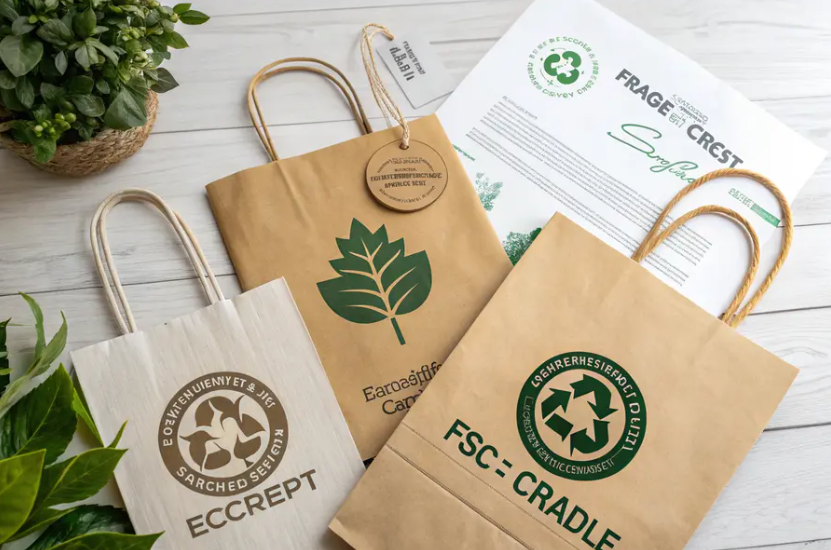
Sometimes you need paper made from new fibers for specific finishes or long-term durability. In that case, look for paper that comes from responsibly managed forests. Certifications on packaging are a good sign that the fiber was sourced more carefully.
Step 2: Pick the right envelopes
Avoid plastic windows when possible
The simplest choice is a window-free envelope. If you need a window, choose one with a paper or cellulose alternative instead of traditional plastic. This makes recycling easier and helps the envelope break down naturally.
Match the size to the contents
Oversized envelopes waste material and can increase postage. Choose an envelope that fits your letter or insert neatly. Folding once more to step down a size is often the greener and cheaper move.
Step 3: Pay attention to eco labels
Labels on paper and envelopes can help you identify products with lower environmental impact. Some focus on recycled content, others on responsible forestry, and some on limiting harmful chemicals. While it can feel like alphabet soup, these labels are a quick shortcut to know you’re buying smarter.
Step 4: Think about how it’s made
Bleaching
Bleaching paper with chlorine has long-term impacts on water systems. For recycled paper, look for the phrase “processed chlorine free.” For new-fiber paper, “elemental chlorine free” is a safer alternative.
Water and energy
Paper manufacturing can use a lot of water and energy. When comparing options, ask your supplier about mills that reduce water use, rely on renewable energy, or have clear environmental commitments.
See also: The Growth of Smart Wearables in Fitness Tracking
Step 5: Design to save paper and ink
• Stick to standard sizes so printers don’t need to cut away excess paper.
• Lay out your design carefully so more pieces fit per sheet.
• Use lighter ink coverage or opt for vegetable-based inks where possible.
• Request digital proofs before printing large batches. This avoids unnecessary test runs.
• Combine mailings instead of sending multiple smaller ones.
Step 6: Plan for the end of life
The best paper isn’t just about how it’s made—it’s also about what happens afterward.
• Stick with paper-only materials, like envelopes with paper closures instead of plastic clasps.
• Avoid heavy lamination, glitter, or mixed materials that make recycling impossible.
• Add a small reminder like “Please recycle” to encourage proper disposal.
• Reuse envelopes internally when possible before recycling them.
Quick checklist for your next order
1. High percentage of recycled content (aim for at least 30%).
2. Certification showing responsible sourcing if virgin fiber is used.
3. Chlorine-free bleaching process.
4. Window-free envelopes, or ones with paper-based alternatives.
5. Standard sizing to reduce trim and waste.
6. Simple finishes instead of plastic laminates.
7. End-of-life recyclability.
Sample specifications you can use
Everyday office paper:
• Weight: standard copy paper
• 100% recycled, chlorine-free
• Bright enough for clear, professional printing
Client-facing letterhead and envelopes:
• Paper: slightly heavier weight with at least 30% recycled content
• Envelope: matches the letterhead, ideally window-free
• Finish: smooth or uncoated, recyclable after use
Final thoughts
Choosing eco-friendly envelopes and paper doesn’t have to be complicated. By focusing on recycled content, avoiding unnecessary plastics, checking for trusted labels, and thinking ahead about disposal, you can make choices that protect the environment while still looking sharp. Every small adjustment—like switching to a recycled envelope or requesting chlorine-free paper—adds up to meaningful impact over time.
Sustainability in stationery is all about balance: finding options that meet your needs, send the right message, and leave a lighter footprint. With these steps, your paper choices can be as thoughtful as the messages they carry.