Newsletter Subscribe
Enter your email address below and subscribe to our newsletter
Enter your email address below and subscribe to our newsletter

 ByJohn A
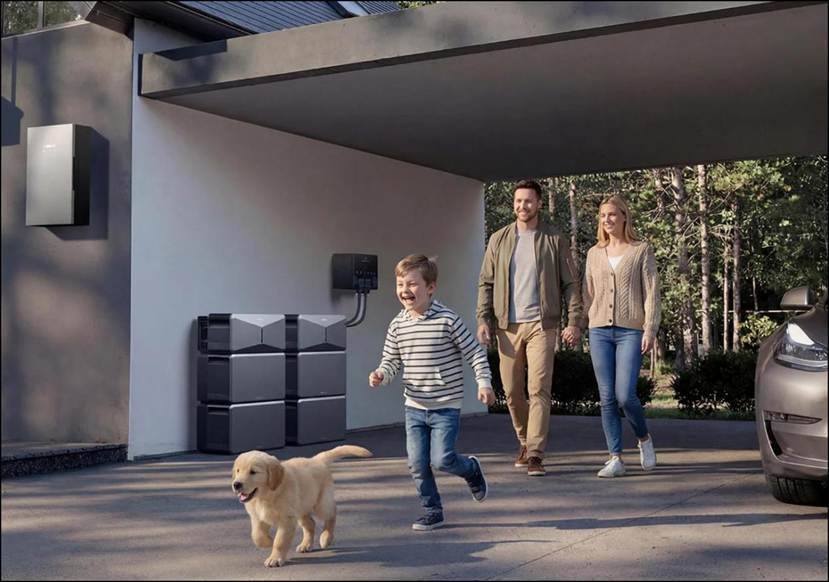
Reliable backup power has become an essential consideration for modern households. Families rely on electricity not just for convenience, but for safety, health, and communication. Power outages can range from brief interruptions to extended periods caused by storms or grid failures, making planning critical. Selecting the right home backup battery ensures that essential devices and circuits remain operational when the grid is down. Understanding the household’s needs, available technology, and long-term usage patterns helps to make a choice that is both practical and cost-effective. In this article, a comprehensive guide to choosing the ideal home backup battery for families will be presented.
Short-term outages often disrupt lighting, refrigeration, and basic household appliances. For families, ensuring that essential safety devices such as smoke alarms, medical equipment, and phone chargers remain functional is a priority. A compact backup battery for home use can power these essentials for several hours without requiring complex installation. Lightweight units are convenient for placement near the devices that matter most. Backup power solutions designed for quick deployment often include simple controls and plug-and-play functionality. Planning for these scenarios ensures safety and minimal disruption.
Homeowners with solar panels or plans to install them can use a backup battery to maximize energy self-consumption. During the day, excess solar energy can be stored and used during peak utility rate hours. This approach reduces reliance on the grid while also providing a reserve in case of outages. Battery systems capable of integrating with solar setups allow homeowners to optimize energy usage efficiently. Modern batteries may include smart management systems that track energy inflows and outflows automatically. This scenario balances energy independence with economic benefits.
Certain households require continuous operation of high-demand devices such as medical equipment, sump pumps, or servers. A robust backup battery can provide uninterrupted power to these circuits during both short and extended outages. Such systems often support higher wattage and multiple devices simultaneously. Proper sizing and circuit selection are key to ensuring reliability under these conditions. Advanced units may also allow monitoring and remote management, giving families confidence in their power resilience. Ensuring uninterrupted operation is crucial for both safety and comfort.
See also: The Role of Technology in Fighting Climate Change
Battery capacity, typically measured in kilowatt-hours (kWh), determines how long a system can sustain power for selected devices. A higher-capacity unit can support more appliances or provide power for longer durations. Assessing household energy requirements helps determine the appropriate size. It is important to balance storage needs with cost and available installation space. Backup batteries designed for whole-home use can cover essential circuits for extended periods. Understanding capacity ensures the system meets both immediate and prolonged power needs.
The power rating, measured in kilowatts (kW), indicates how many devices can operate at the same time. High-demand appliances such as HVAC systems or electric ovens require substantial instantaneous power. Batteries with adequate surge and continuous output ratings prevent overloads and ensure stable operation. Evaluating which appliances are critical and their wattage helps determine system requirements. Overestimating power needs provides flexibility for future additions. Proper assessment of power rating ensures a seamless experience during outages.
Different battery chemistries, such as lithium-ion or LiFePO4, offer varying levels of safety, lifespan, and thermal stability. Safety certifications from recognized standards organizations indicate compliance with rigorous testing. Certified units provide protection against overcharging, overheating, and short circuits. Knowledge of chemistry and certifications is critical when selecting a backup battery for home applications. This ensures that the system remains safe under both normal and emergency conditions. Properly certified batteries reduce risks to the household and property.
Physical size, installation location, and compatibility with existing electrical infrastructure must be considered. Adequate spacing for ventilation and maintenance ensures optimal performance. Systems that allow expansion provide flexibility as household energy needs evolve. Integration with solar panels or additional batteries is often desirable for long-term energy planning. Choosing a system that fits seamlessly into the home simplifies installation and daily use. Careful planning ensures that the setup remains practical for years.
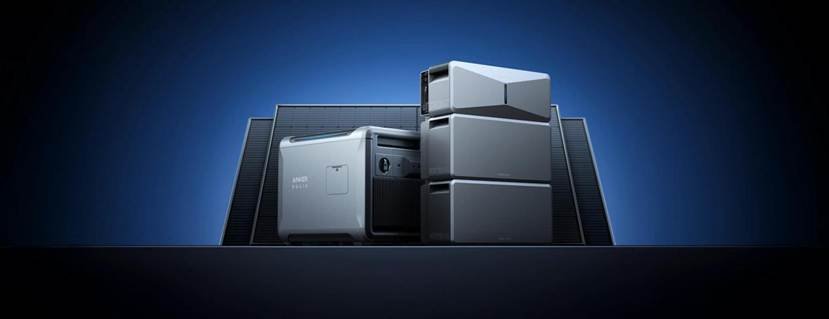
Choosing a home backup battery is about securing your family’s energy future. Anker SOLIX stands as a benchmark of reliability, where every product is built for longevity and backed by a robust warranty that reflects our absolute confidence. From seamless solar integration in systems like the SOLIX E10 to accessible local service, we ensure uninterrupted power and peace of mind. With Anker SOLIX, you gain more than a battery—you gain a dependable, long-term partner in energy resilience, designed to protect what matters most.
Modern battery systems often include companion apps for monitoring and management. Features such as real-time usage tracking, alerts, and remote controls enhance usability. Integration with solar inverters, smart home systems, or energy management platforms allows seamless operation. Smart functionality provides insight into performance and helps optimize efficiency. Well-integrated systems reduce user effort while maximizing energy use. Advanced software features improve both convenience and reliability.
Evaluating the total cost includes purchase price, installation fees, and maintenance expenses. High-capacity or hybrid systems may involve greater upfront investment but offer longer-term savings. Estimating energy savings and avoiding potential outage losses contributes to overall value. Considering total lifecycle cost ensures informed financial planning. Cost analysis helps balance performance requirements with budget constraints. A well-planned investment aligns cost with household energy needs.
Government or utility incentives, tax credits, and rebates can offset a portion of the cost. Operational savings from reduced grid consumption or demand charges further improve financial viability. Awareness of local programs ensures maximum benefit. Combining incentives with strategic battery sizing enhances both energy and monetary efficiency. Long-term savings often justify the upfront investment in advanced backup systems. Factoring in incentives ensures a smarter, more economical choice.
Selecting the best home backup battery for a family requires careful assessment of needs, capacity, and safety considerations. Evaluating scenarios ranging from short-term outage preparedness to solar integration ensures that the system matches daily and emergency requirements. Warranty support, installation considerations, and smart features influence both reliability and convenience. Solutions like the Anker SOLIX E10 offer hybrid capabilities, combining battery and solar integration for seamless energy backup. Considering total cost, incentives, and future expansion ensures that the investment remains practical over time. Making an informed choice provides families with reliable, long-term backup power and peace of mind.